

The challenge:
Manual performance management made opportunities difficult to see
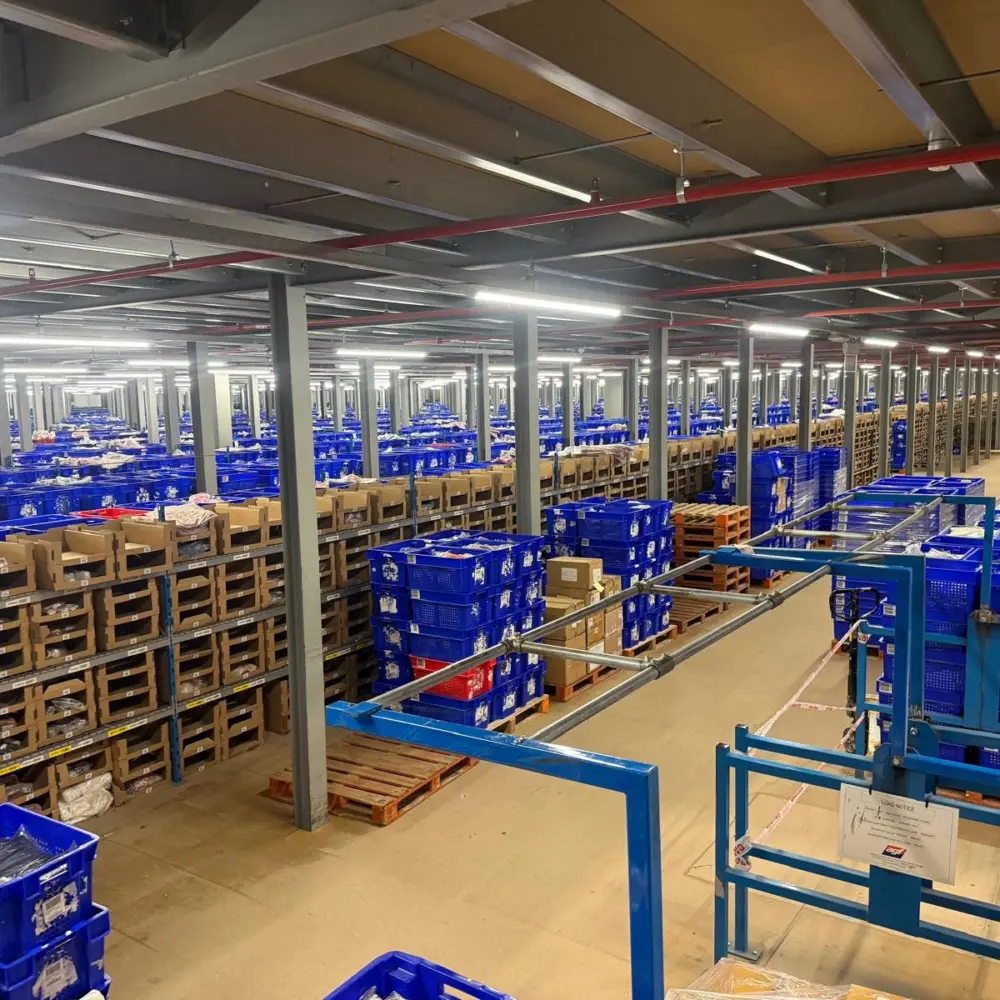
Monsoon was already measuring warehouse performance, but doing so required considerable manual analysis. At the same time, increasing labour costs and continued pressure to operate within budget made productivity an important focus for the distribution centre.
The challenge wasn’t simply to measure how much work was being completed. Monsoon needed better visibility into where time was being lost and what changes could make the whole operation more efficient.
- Performance data required manual extraction and analysis
- Productivity couldn’t be assessed as quickly as it can today
- Rising labour costs increased the focus on efficiency
- The complexity of the physical warehouse made it difficult to understand where time was being lost
- Monsoon wanted to identify practical opportunities to improve both processes and warehouse layout
Performance dashboards provide visibility into warehouse productivity
Individual staff dashboards allow supervisors to review performance hour by hour
Task-level information helps teams understand where performance varies
Operational data provides a factual basis for performance conversations
The solution: Warehouse productivity data that reflects the real operation
The result:
From 30-40% unallocated time to around 9%
One of the first areas Monsoon focused on was unallocated time.
When the team initially reviewed the data, unallocated time was sitting at around 30-40%. By investigating the largest gaps, Monsoon began identifying practical changes that could improve the flow of work.
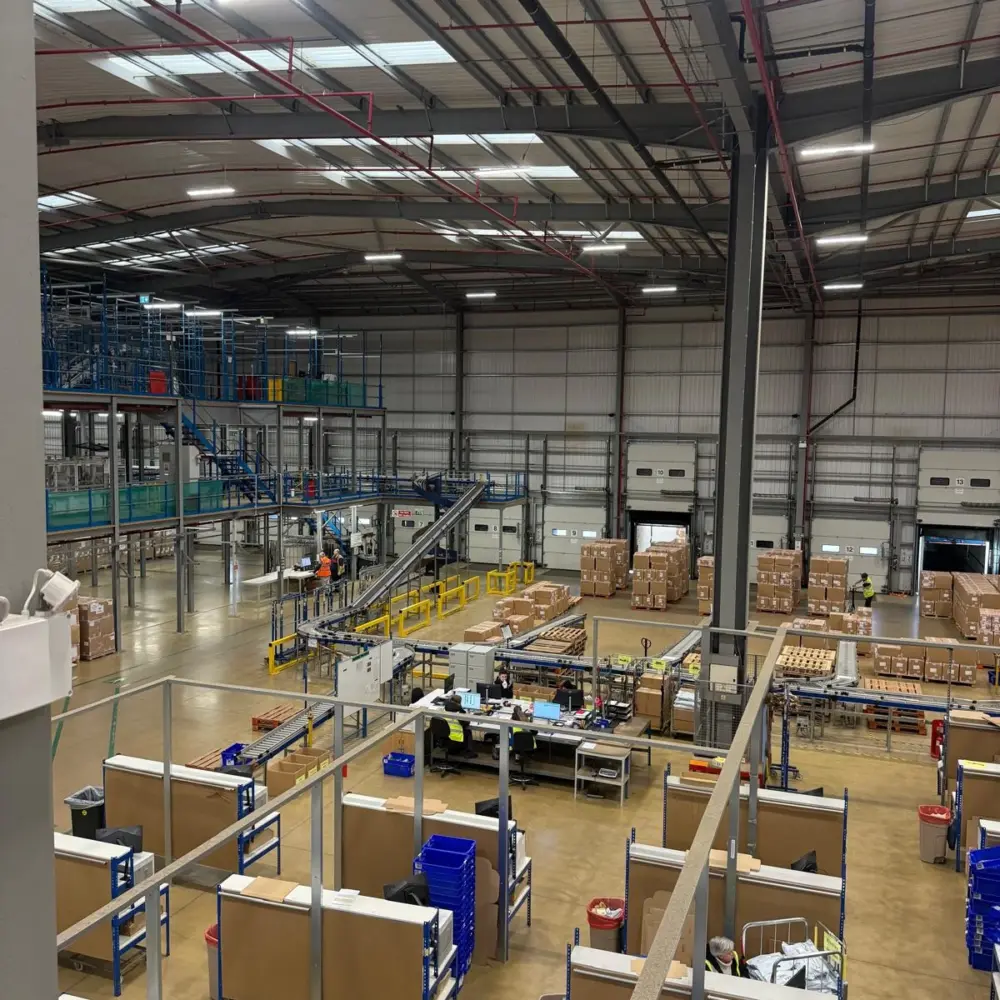
This included moving conveyors so that start and finish points were in the same place, reducing unnecessary movement within the warehouse.
The results go beyond unallocated time:
- Unallocated time reduced from around 30-40% to around 9%
- Agency headcount reduced from 250+ to around 180
- Night shifts removed
- Weekend working removed
- The previous 24/7 operation now runs from 6am Monday to 10pm Friday
- Efficiency can reach 70–90% on some days when unallocated time is excluded
“When we first took on the system, we were sitting at around 30 to 40 per cent, and we were gobsmacked at how much time it looked like we were losing.”
Amy Stuart, General Manager, Monsoon Distribution Centre
The effect:
Visibility that changes how the warehouse operates

Why Monsoon recommends IMI
The solution has become part of Monsoon’s day-to-day warehouse operation rather than something the team views as a standalone system.
IMI continues to support Monsoon as the operation changes, including returning to the site when physical warehouse changes require locations to be remeasured and the system to be updated.
Amy Stuart also highlights the accessibility of the support team, with questions handled quickly.
“If I’ve got any questions or queries I’ll send them a message and they come back within the hour. Absolutely brilliant.”
Amy Stuart, General Manager, Monsoon Distribution Centre
For Dawn Pine, it has become difficult to imagine operating without the system:
“It’s one of the key tools in the box at the end of the day. […] It’s just embedded as part of the team. It’s part of our day-to-day routines now, like running the payroll or running our overnight replenishment. It’s just there, and you can’t imagine it not being there now.”
Dawn Pine, Group Supply Chain Director, Monsoon
Next steps:
Continuous improvement as the operation changes
Some of the brands relying on IMI












IMI Supply Chain Solutions